The health and wellbeing of your pup (and dog) is important!
Daily Care and Wellbeing
Vaccination Schedule (DOGS NSW Standards)
Vaccination Schedule (DOGS NSW Standards)

Exercise:
- Goldies: Moderate daily exercise (walks, play, swimming) – 1–2 hours
- GSPs: High-energy, active lifestyle needed – 1–2 hours vigorous exercise plus mental stimulation
Grooming:
- Goldies: Brushing 2–3 times per week, regular baths, check ears
- GSPs: Short coat, minimal grooming, occasional brushing, check ears
Socialising and training your puppy is one of the best steps you can take to ensure that they develop into happy, confident and well mannered members of your family.
Vaccination Schedule (DOGS NSW Standards)
Vaccination Schedule (DOGS NSW Standards)
Vaccination Schedule (DOGS NSW Standards)
Puppies:
- First vaccination (C3): Administered at 6–8 weeks of age
- Second vaccination (C3): Administered at 12–14 weeks of age
- Third vaccination (C3): Administered at 16–18 weeks of age
- Annual boosters: Administered at 12–15 months of age, then every 3–4 years thereafter
*Note: C3 vaccination protects against distemper, hepatitis, and parvovirus. Vaccination against kennel cough (C5) is recommended, particularly for dogs exposed to other dogs or boarding situations
Diet and Nutrition
Vaccination Schedule (DOGS NSW Standards)
Diet and Nutrition

Puppies
- High-quality puppy or homemade food at 4–6 weeks
- Frequent small meals to support growth and development
Adolescent Dogs (3–12 Months):
- Feed large-breed puppy or growth food
- 2–3 meals daily, monitor weight and growth
- Mature Dogs (1+ Years):
- Transition to adult dog food
- Feed 1–2 times daily according to activity level
- Maintain balanced nutrition for energy, muscle, and joint health
Worming
Tick & Flea Protection
Diet and Nutrition

Worming: Puppies:
- First worming: Administered at 2 weeks of age and continued fortnightly until 10 weeks of age.
- Subsequent wormings: Administered at 10weeks of age.
Regular treatment for worms must be in place and in accordance with veterinary advice. When seeking vaccinations, discuss the treatment options with your vet.
Tick & Flea Protection
Tick & Flea Protection
Tick & Flea Protection

There are many options now days depending on your lifestyle and preference. Chatting with your vet will ensure you select the right treatment for your lifestyle.
Options can include:
Annual Tick and Flea Injection:
- Bravecto Quantum: Provides up to 12 months protection against fleas and ticks with a single vet-administered injection. Suitable for dogs and puppies from 6 months of age.
Monthly and Spot-On Treatments:
- NexGard Spectra:
- Bravecto Spot-On:
- Seresto Collar:
Mental stimulation
Tick & Flea Protection
Tick & Flea Protection
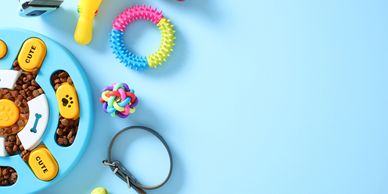
Golden Retrievers and German Shorthaired Pointers both need plenty of mental stimulation to stay happy and well-balanced.
Golden Retrievers enjoy puzzle toys, fetch, and problem-solving games that make use of their natural retrieving instincts, while GSPs thrive on more challenging activities like scent tracking, agility, and hunting-style games to channel their high energy and focus.
For both breeds, short training sessions, socialisation, and enrichment activities from puppyhood help build confidence and prevent boredom.

All pups will always benefit from training
Training is a vital part of raising happy and well-adjusted Golden Retrievers and German Shorthaired Pointers. Both breeds are intelligent, energetic, and naturally driven, but their instincts and personalities mean they benefit from different types of guidance.
For Golden Retrievers, training helps focus their playful energy, reinforces positive behaviour, and strengthens the bond between dog and owner. Regular obedience work, recall practice, and interactive games teach them manners, improve confidence, and provide mental stimulation that keeps them engaged and happy.
German Shorthaired Pointers, with their strong hunting and scenting instincts, benefit from training that challenges both mind and body. Activities such as scent tracking, retrieving, agility, and problem-solving exercises give them purposeful outlets for their energy, reduce the likelihood of destructive behaviours, and develop focus and responsiveness.
Crate training is particularly helpful for night time, as it provides puppies with a safe, comfortable space to sleep, encourages good bladder habits, and helps them feel secure when left alone.
Starting training early, using consistent, gentle, and positive reinforcement, ensures that puppies learn to adapt to household routines, respond reliably to commands, and build the social skills they need to thrive in a family environment.
By combining physical exercise, mental challenges, structured learning, and crate training, both Golden Retrievers and GSPs grow into confident, well-mannered, and happy adult dogs
Health
Regular Routine Veterinary Checks:
Regular veterinary visits are essential to maintain your dog’s health. Puppies should have check-ups at 6–8 weeks, during vaccination appointments, and at key growth stages. Adult dogs should have at least annual health checks, including weight monitoring, dental checks, and assessments for breed-specific conditions. Preventative care such as vaccinations, worming, flea and tick control, and spaying or neutering are critical for overall wellbeing.
Golden Retrievers – Common Health Concerns:
Golden Retrievers are generally healthy, but they can be prone to certain conditions including:
- Hip and elbow dysplasia – joint issues that can affect mobility
- Heart conditions – such as subvalvular aortic stenosis (SAS)
- Cancer – Golden Retrievers have a higher risk of certain cancers, including lymphoma and hemangiosarcoma
- Skin conditions – allergies, hot spots, and ear infections due to floppy ears
- Eye problems – such as cataracts or progressive retinal atrophy (PRA)
German Shorthaired Pointers – Common Health Concerns:
GSPs are robust and athletic dogs, but may face certain breed-specific issues:
- Hip and elbow dysplasia – joint issues affecting mobility
- Gastric torsion (bloat) – a life-threatening condition requiring immediate attention
- Eye conditions – such as progressive retinal atrophy (PRA)
- Skin sensitivities – occasional allergies or hot spots
Preventative Health Measures:
- Hip, elbow, heart, and eye testing for breeding dogs
- Vaccinations in line with Dogs NSW standards
- Regular worming and flea/tick prevention
- Dental care and balanced nutrition
- Monitoring weight and activity to prevent obesity and joint strain
- Annual vet check up
- Nutritious diet and appropriate physical activity to support a healthy weight.
Both Golden Retrievers and GSPs benefit from early detection of potential health issues through regular veterinary checks. Responsible and preventative care and monitoring help ensure a long, healthy, and happy life for your dog.